
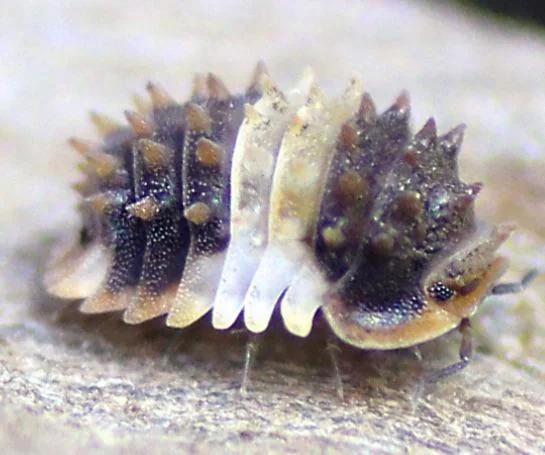
Isopods have quietly become one of the fastest-growing trends in the exotic pet world. Commonly known as “woodlice,” these tiny crustaceans have become a pet for hobbyists, vivarium keepers, and collectors around the globe. From beginners looking for a low-maintenance animal to serious breeders chasing rare morphs, isopods offer a combination of beauty, simplicity, and ecological value that few other pets can match.
So why exactly have isopods become so popular? The answer lies in their biology, easy-care requirements and the community that has grown around them.
A Perfect Beginner Pet
One of the biggest reasons for the surge in isopod popularity is how easy they are to care for. Compared to many exotic pets, most isopod species require minimal equipment and relatively simple care.
A basic isopod setup typically includes:
- A plastic or glass enclosure
- A substrate of soil, leaf litter, and decaying wood
- A moisture gradient with one damp side and one dry side
- Occasional food such as vegetables or fish flakes
Isopods are detritivores, meaning they thrive on materials already present in naturalistic enclosures. Dead leaves, rotting wood, and vegetable scraps form the foundation of their diet.
Many keepers can maintain a healthy colony with little more than misting and feeding. In most cases there is no need for expensive lighting, heating systems, or specialised equipment.
Endless Variety of Species and Morphs
Another factor driving the popularity of isopods is the incredible diversity. While many people are familiar only with the common grey garden woodlouse, hobbyists now keep dozens, if not hundreds, of species.
Some isopods are small and subtle, while others are brightly coloured and striking. Over the past decade, breeders have also developed numerous morphs with unique patterns and colours. Many breeders care for harder-to-keep species for the challenge, while others look for natural beauty to create a natural display for the home.
Popular examples include:
- Dairy Cow isopods – black-and-white spotted pattern
- Powder Blue and Powder Orange – soft pastel colouration
- Zebra isopods – bold black stripes across the body
- Rubber Ducky isopods – distinctive yellow “duck-like” face
Some species display bright oranges, deep blues, yellows, or dramatic marbling patterns. Others develop large armoured plates or unusual shapes.
Because of this diversity, collecting isopods has become similar to keeping ornamental fish or rare plants. Hobbyists often build collections of different species, each with its own behaviour, appearance, and preferences. This collector aspect adds a fun challenge to the hobby and helps keep enthusiasts engaged.
Natural Clean-Up Crews
Isopods are not only pets. They are also incredibly useful animals in ecological systems as they break down organic material and recycle nutrients.
In the wild, isopods help decompose:
- Dead leaves
- Rotting wood
- Animal waste
- Fungi and mould
In captivity, this same behaviour makes them valuable members of a bioactive vivarium. Reptile and amphibian keepers often introduce isopods into their enclosures as part of a “clean-up crew.” The isopods consume waste, leftover food, and decaying plant matter, helping maintain a healthier environment.
Because they perform this natural recycling role, isopods reduce the need for frequent cleaning and help stabilise miniature ecosystems. This dual role has made isopods extremely attractive to vivarium enthusiasts.
Enchanting Behaviour
Despite their small size, isopods are fascinating to watch.
Some species are active explorers, constantly foraging through leaf litter and climbing over bark. Others prefer to hide under cork or wood and emerge at night to feed.
Some isopods even display social behaviours. Colonies often gather around food sources, forming clusters as they feed together. Some species appear to prefer certain hiding spots, creating communal shelters.
One particularly charming isopod behaviour is known as conglobation, which is when they roll into tight balls when disturbed. This defence mechanism protects their soft underside from predators.
A Space-Efficient Pet
Modern living spaces are often small, especially in urban environments. Many people who love animals do not have room for large pets or enclosures.
Isopods solve this problem beautifully.
A thriving colony can live comfortably in a small plastic tub or terrarium that fits easily on a shelf or desk. Some hobbyists maintain entire collections of species in stackable containers.
Because they require very little space, isopods are ideal for:
- Apartment dwellers
- Students
- Hobbyists with limited room
- People who already keep multiple enclosures
Their compact setups also make them easy to maintain and transport.
A Thriving Community
Another reason for the rise of isopods is the vibrant community that surrounds the hobby. Online groups, forums, and social media pages let enthusiasts around the world share information. Collectors frequently trade or sell colonies, helping rare species spread throughout the community. New morphs appear regularly as breeders experiment with selective breeding.
Educational content has also expanded rapidly. Care guides now make it easier than ever for beginners to start a colony. This strong community creates a welcoming environment where new keepers learn quickly with help from experienced breeders.
Affordable and Accessible
Compared to many exotic pets, most isopods are relatively affordable. While rare species can command high prices, common varieties are inexpensive and widely available. A beginner can often start a colony for the price of a meal.
Because isopods reproduce readily, a small starter group can quickly grow into a thriving population. Their low cost and availability make them accessible to people who might otherwise hesitate to enter the exotic pet hobby.
A Window into Miniature Ecosystems
Perhaps the most rewarding aspect of keeping isopods is how they educate people on the hidden world of decomposition and soil ecology. Beneath every forest floor lies a complex community of organisms breaking down organic matter and recycling nutrients. Isopods are a key part of this process.
Keeping isopods in a terrarium lets hobbyists witness this miniature ecosystem up close. Leaf litter slowly disappears, fungi appear and vanish, and the colony gradually transforms its environment.
For many people, this creates a deeper appreciation for the small creatures that sustain natural ecosystems.
The Future of the Isopod Hobby
The isopod hobby shows no signs of slowing down. New species continue to enter the market, and breeders are developing increasingly unique morphs. At the same time, bioactive vivaria are becoming more popular among reptile and amphibian keepers, further increasing demand for these tiny custodians.
As more people discover how easy, fascinating, and beautiful isopods can be, their popularity is likely to continue growing.
What began as a niche interest among a handful of invertebrate enthusiasts has evolved into a global hobby. Whether kept as collectors’ items, ecological helpers, or simply fascinating pets, isopods have proven that even the smallest animals can capture our curiosity and imagination.