Bringing a dog into your life is one of the most rewarding experiences a person can have. Dogs bring loyalty, humor, companionship, protection, routine, and unconditional love into a home. But raising a happy, well-adjusted dog does not happen by accident. It takes structure, patience, training, enrichment, and a daily routine that helps your dog understand the world around them.
A happy dog is not simply a tired dog or a spoiled dog. A happy dog is one that feels safe, understood, mentally engaged, physically active, and bonded with their people. Whether you have a puppy, an adult rescue dog, a high-energy working breed, or a laid-back companion, the foundation is the same: dogs need guidance, consistency, movement, mental stimulation, and positive interaction.
The good news is that you do not have to be a professional trainer to improve your dog’s daily life. Small changes in routine, communication, and enrichment can make a big difference.
Start With a Predictable Daily Routine
Dogs thrive when they know what to expect. A predictable routine helps reduce stress because your dog learns the rhythm of the household. Feeding times, potty breaks, walks, training sessions, rest periods, and bedtime routines all help create a sense of security.
A dog that never knows when they will go outside, when they will eat, or what behavior is expected may become anxious, restless, or demanding. A consistent routine teaches your dog that their needs will be met. That does not mean every day has to be identical, but the major pieces should be reliable.
For example, a simple routine might include a morning potty break, breakfast, a walk, quiet time, a short training session, afternoon enrichment, dinner, evening play, and a final potty break before bed. This gives your dog physical outlets, mental stimulation, and rest.
Routine is especially important for puppies and newly adopted dogs. When a dog enters a new home, everything is unfamiliar. Predictability helps them settle in faster and feel safer.
Use Positive Training to Build Trust
Training is not just about obedience. It is about communication. A dog that understands what you want is less likely to feel confused or frustrated. Training also builds trust because your dog learns that good choices lead to rewards, praise, and connection.
Basic commands such as sit, stay, come, leave it, down, and loose-leash walking are useful for safety and daily life. But the way you teach those commands matters. Positive reinforcement, patience, and consistency help dogs learn without fear.
Punishment-heavy methods can damage trust and increase stress. A better approach is to reward the behavior you want, redirect behavior you do not want, and set your dog up for success. If your dog jumps on guests, teach an alternate behavior like sitting. If your dog pulls on the leash, reward moments of walking beside you. If your dog gets into trash, manage the environment while teaching boundaries.
Dogs are always learning. Every interaction teaches them something. The goal is to make the right behavior easier and more rewarding than the wrong behavior.
Give Your Dog Mental Stimulation
Physical exercise matters, but mental stimulation is just as important. Dogs were not designed to spend every day bored on the couch with nothing to solve, sniff, chase, chew, or explore. A bored dog may create their own entertainment, and that entertainment might include barking, chewing, digging, counter surfing, or stealing socks.
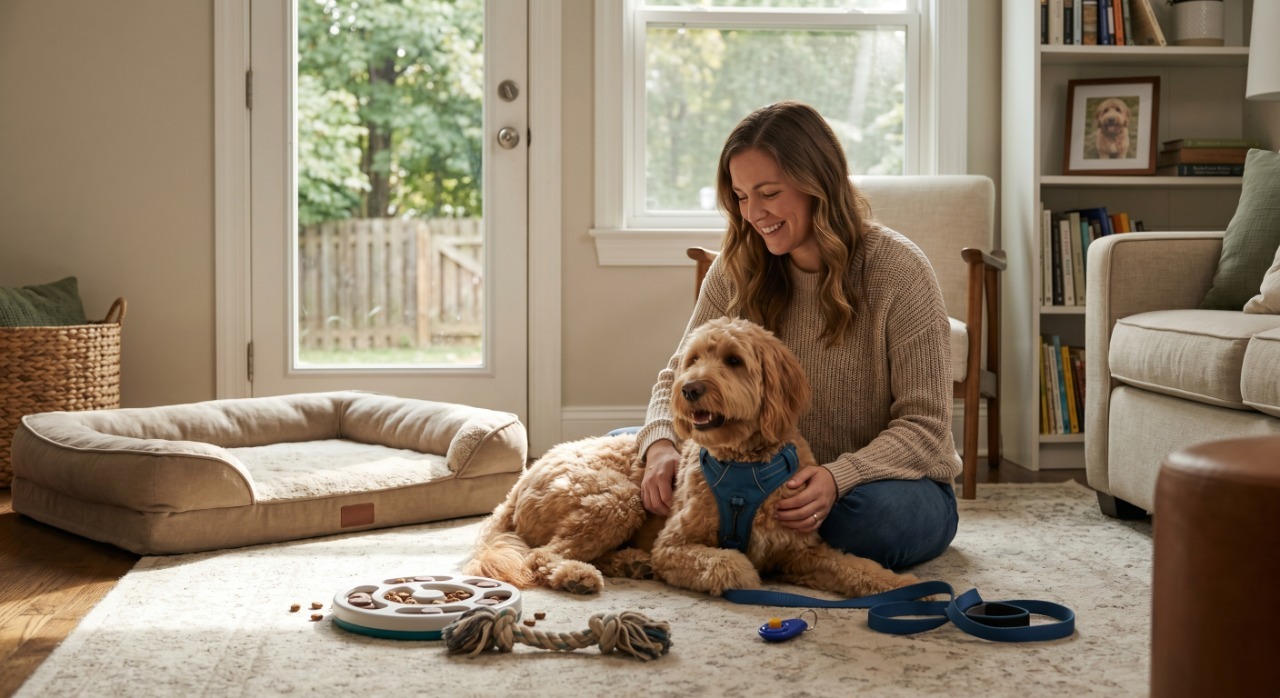
Mental enrichment gives your dog a job. Food puzzles, sniffing games, training drills, hide-and-seek, treat hunts, frozen enrichment toys, scent games, and interactive play can all help keep your dog’s mind active.
One easy way to add enrichment is to stop feeding every meal from a bowl. Use a puzzle feeder, scatter kibble in the yard, hide small portions around a safe room, or place food in a slow-feeder toy. This turns mealtime into a problem-solving activity.
Sniffing is also powerful enrichment. A walk where your dog is allowed to sniff can be more mentally satisfying than a fast walk with no exploration. Dogs experience the world through scent. Giving them time to smell their surroundings helps them gather information and relax.
Socialization Is More Than Meeting Other Dogs
Many people think socialization means letting a puppy meet as many dogs as possible. Real socialization is broader than that. It means helping a dog become comfortable with different people, places, surfaces, sounds, routines, objects, and safe experiences.
A well-socialized dog does not need to love everyone or everything. The goal is confidence, not chaos. A dog should learn that new experiences are manageable and that their human will guide them safely.
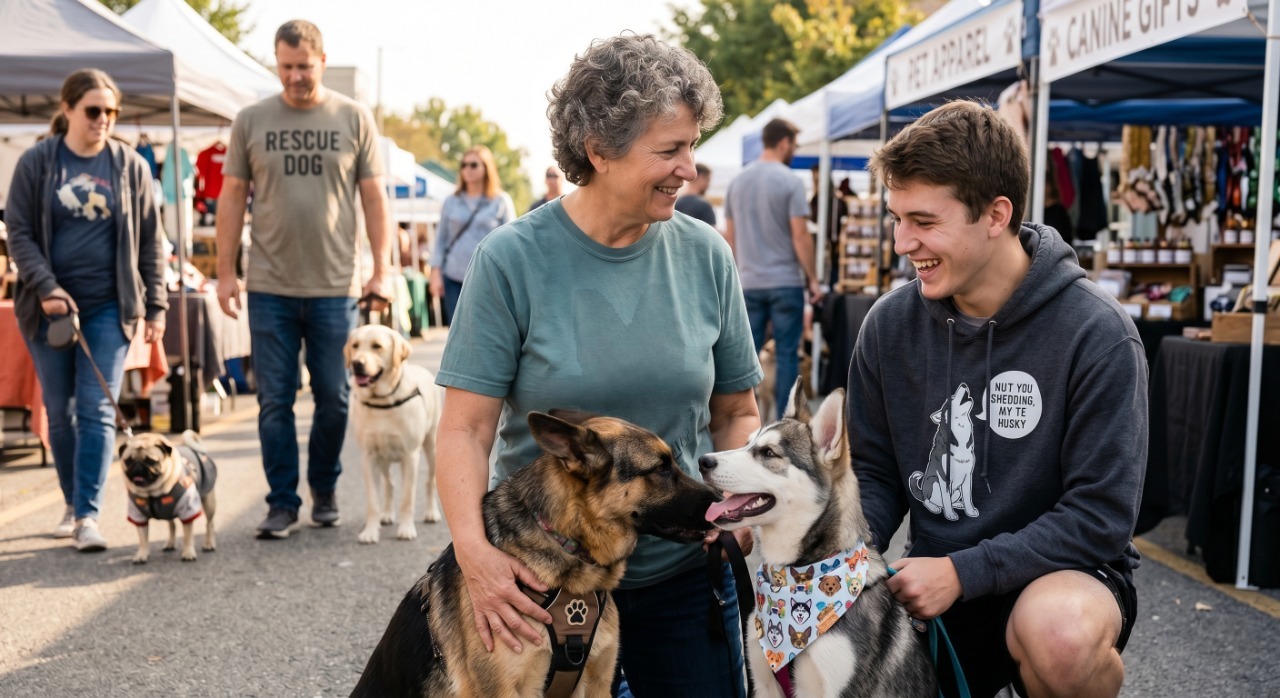
For puppies, early positive exposure is especially important. But adult dogs can benefit from careful socialization too. Go slowly. Watch body language. Do not force a nervous dog into overwhelming situations. A calm walk near a park may be more useful than throwing a shy dog into a crowded event.
Good socialization might include seeing bicycles, hearing traffic, walking on different surfaces, meeting calm people, visiting pet-friendly stores, hearing grooming tools, and practicing settling in new environments.
Match Exercise to Your Dog’s Breed, Age, and Health
Exercise is important, but not every dog needs the same kind. A young Border Collie, German Shepherd, Labrador Retriever, or Australian Shepherd may need more physical and mental activity than a senior Pug or a low-energy adult dog. Puppies need movement, but they also need rest and age-appropriate activity. Senior dogs may benefit from shorter, gentler walks and mental games that keep them engaged without overworking their bodies.
Exercise should fit the dog in front of you. Pay attention to breed tendencies, age, health, weather, and fitness level. Some dogs love hiking and running. Others prefer sniffing walks, tug games, fetch, or slow neighborhood strolls.
If your dog is overweight, recovering from injury, has joint issues, or is a senior, talk to your veterinarian about safe exercise. Movement should improve quality of life, not create pain or stress.
Teach Your Dog How to Rest
A well-adjusted dog does not need to be entertained every second. In fact, one of the most valuable skills a dog can learn is how to settle. Dogs that never learn to relax may become demanding, overstimulated, or anxious.
Teaching rest can be simple. Create a comfortable place where your dog can settle, such as a bed, crate, mat, or quiet room. Reward calm behavior. Practice short “settle” sessions during the day. Give your dog a chew, stuffed toy, or calm activity when you want downtime.
This is especially useful for high-energy dogs. Many active dogs do not automatically know how to turn off. They need help learning that calm behavior is also rewarding.
A balanced day includes activity and rest. Too much stimulation can create an overtired dog, and overtired dogs often behave worse, not better.
Learn Your Dog’s Body Language
Dogs communicate constantly. They use ears, tails, posture, eyes, movement, mouth position, breathing, and behavior to tell us how they feel. Learning dog body language helps prevent problems before they escalate.
A relaxed dog may have loose body movement, soft eyes, normal breathing, and a neutral tail. A stressed dog may lick their lips, yawn, turn away, tuck their tail, freeze, pant heavily, pace, or avoid eye contact. A dog that growls is communicating discomfort, not being “bad.”
When people ignore early warning signs, dogs may feel forced to use bigger signals. Respecting body language builds trust. If your dog is uncomfortable, help them create distance, reduce pressure, or leave the situation.
Understanding your dog’s signals is one of the best ways to strengthen your relationship.
Build the Bond Through Everyday Moments
Bonding does not only happen during big adventures. It happens in small daily moments: a walk, a training session, a quiet evening on the couch, a game of tug, a gentle grooming session, or a calm moment of eye contact.
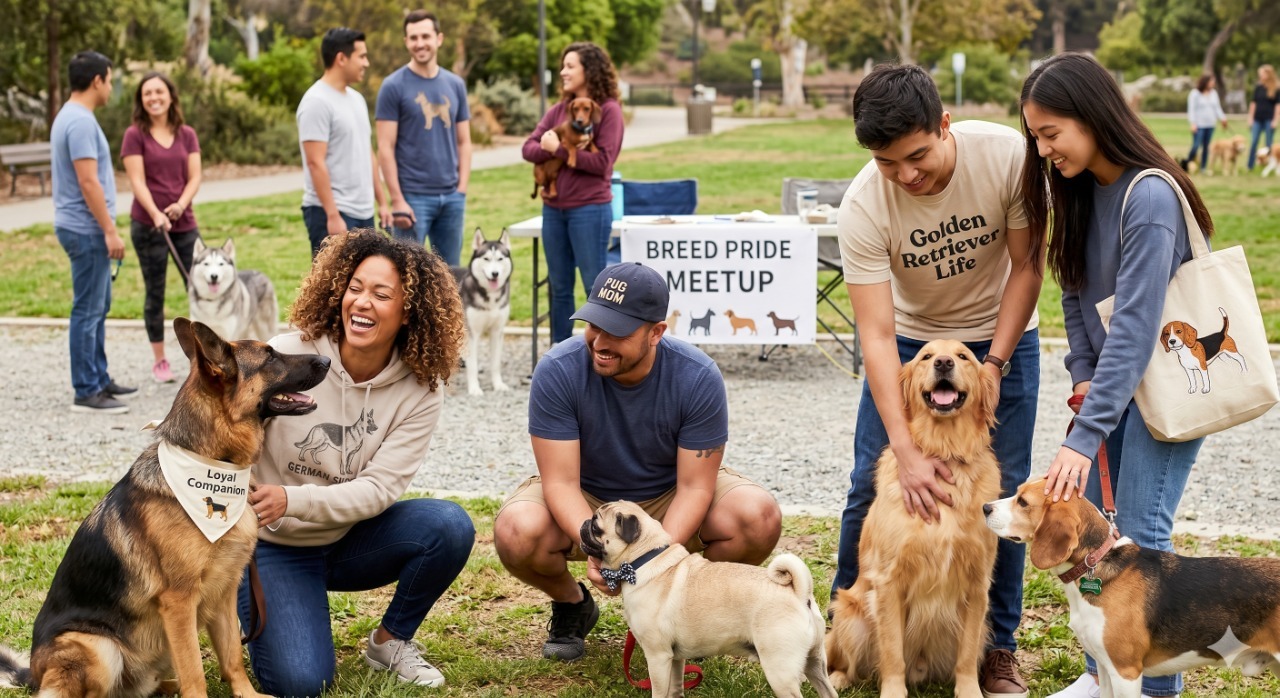
Dogs want to feel connected to their people. They want guidance, attention, safety, and belonging. Many owners also enjoy celebrating that special connection through photos, memories, and dog-themed apparel for dog lovers that reflects the unique bond they share with their pets.
A five-minute training session can build confidence. A sniffing walk can reduce stress. A calm bedtime routine can help your dog feel secure. A few minutes of play can remind your dog that you are fun and trustworthy.
Create a Home That Supports Good Behavior
Your dog’s environment affects their behavior. If tempting items are left within reach, your dog may chew or steal them. If your dog has no appropriate outlets, they may create their own. If the household is chaotic, your dog may become overstimulated.
Set your dog up for success. Provide chew toys, safe resting areas, enrichment activities, and clear boundaries. Use baby gates, crates, closed doors, or leashes when needed. Keep trash secured. Put shoes away. Give your dog appropriate things to do before they find inappropriate things to do.
Management is not cheating. It is smart dog ownership. The easier you make good behavior, the more often your dog will choose it.
Don’t Forget Health and Preventive Care
A dog’s behavior is closely connected to health. Pain, dental problems, allergies, digestive issues, poor sleep, vision changes, hearing loss, and joint discomfort can all affect how a dog acts. If your dog suddenly becomes irritable, anxious, withdrawn, aggressive, or restless, do not assume it is only a training issue.
Regular veterinary care, vaccines, parasite prevention, dental care, nutrition, and weight management all support a better quality of life. A healthy dog is more likely to feel comfortable, energetic, and emotionally balanced.
Training and enrichment matter, but they work best when your dog’s physical health is also supported.
Let Your Dog Be a Dog
One of the best things you can do for your dog is let them enjoy normal dog behaviors in safe ways. Dogs need to sniff, chew, explore, play, chase, dig, search, rest, and interact. Problems often happen when dogs have natural needs but no appropriate outlet.
If your dog loves to dig, create a digging area. If they love to chew, provide safe chews. If they love sniffing, take sniff walks. If they love problem-solving, use food puzzles. If they love chasing, use fetch, flirt poles, or structured play.
A happier dog is often one whose natural instincts are understood instead of constantly suppressed.
Final Thoughts
Raising a happier, better-adjusted dog is not about perfection. It is about building a life that supports your dog’s physical, mental, and emotional needs. Routine gives structure. Training creates communication. Enrichment prevents boredom. Exercise supports health. Rest teaches balance. Socialization builds confidence. Trust builds the bond.
Your dog does not need a perfect owner. Your dog needs a patient, consistent, loving person who keeps learning.
Whether your dog is playful, stubborn, loyal, goofy, protective, dramatic, or all of the above, the relationship you build every day is what matters most.
Author Bio
Terry Runion is the creator of CyberMutz.com, a dog-themed apparel and gift brand focused on breed-specific dog T-shirts, funny dog apparel, pet lover designs, and unique merchandise for people who love dogs. Visit https://cybermutz.com to explore dog-themed apparel and accessories.